Pomegranate Cold Hardiness Explained: What Temperatures Cause Damage?
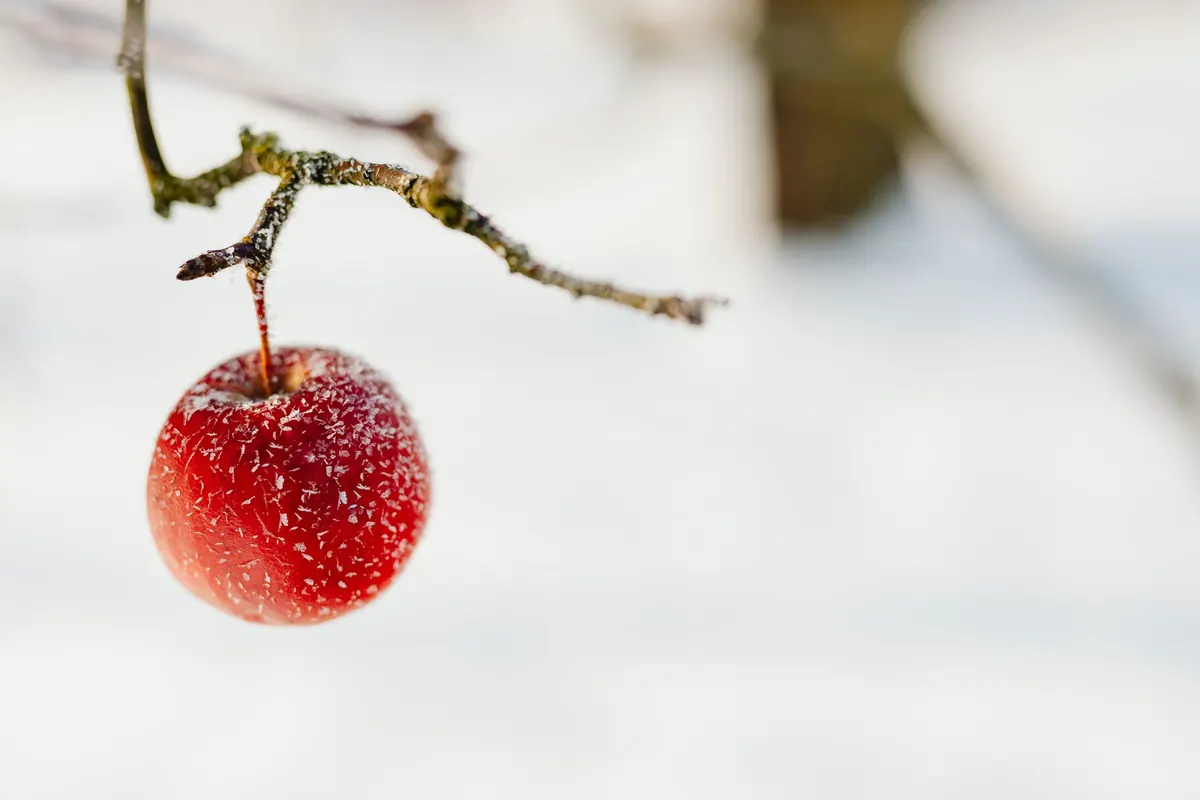
Pomegranates have a reputation as sun-loving Mediterranean trees, so it surprises many growers to learn that healthy dormant plants can survive real winter cold. The surprise is also where trouble starts. Cold hardiness in pomegranates is not one number. It is a moving target shaped by cultivar, wood age, how gradually autumn arrived, how long the freeze lasts, and whether the plant is in free-draining ground or an exposed lawn. A thermometer reading tells you what the air did; the plant tells you what it could withstand. The useful approach is to know the rough thresholds, then manage the variables you can control.
How Cold Actually Injures a Pomegranate
Cold damage is not simply “frozen plant.” In dormant pomegranates, injury begins at the cell level. Ice forms in spaces between cells, drawing water out of living tissue; if the cold is severe or prolonged, cell membranes rupture and tissue dies. Wind makes it worse by speeding water loss from bark and buds. A sunny afternoon followed by a sharp night drop can also be more damaging than steady cold, because the plant may lose a little of its hard-won dormancy.
The tissues fail in a rough order. Branches may show bark splitting, darkened cambium, or dieback from the tips down. Dormant buds can be killed even when the trunk and main limbs remain sound, which is why a plant may leaf out patchily in spring. Fruit is the most exposed and least forgiving part of the crop: a late-ripening pomegranate can be ruined by one frosty night before it is picked. Roots and the crown sit below the worst of the air cold, but they are not invincible; hard, deep soil freezing and poor drainage can injure them.
Temperature Thresholds at a Glance
The following ranges are working field guides, not guarantees. Cultivar, plant health, freeze duration, wind, snow cover, and soil moisture can shift the outcome by several degrees.
- Dormant branches on established plants: Many common cultivars come through lows near 10°F (-12°C) with little or no dieback, though tender types can be injured at 15–20°F (-9 to -7°C). Cold-hardy selections may survive closer to 0°F (-18°C), especially with wind protection and good autumn hardening, but expect some tip or bud loss at those lows.
- Dormant buds and young shoots: Buds are often the first top-growth tissue to show injury in a hard freeze; damage can occur even when the trunk and main limbs remain sound. New spring growth is far more tender and can be nipped at 30–28°F (-1 to -2°C).
- Open flowers and young fruit: A frost near 30°F (-1°C) can damage flowers, and young fruit is generally at risk at or below about 28°F (-2°C).
- Ripe fruit: Mature fruit can be spoiled by temperatures around 27–28°F (-3 to -2°C), especially if the cold lasts for hours. Rind damage may not be obvious until the fruit is stored or opened.
- Roots and crown: Roots are less cold-hardy than well-hardened dormant wood and are at risk when soil freezes hard and deep for a long spell. Mulch moderates soil temperature; poor drainage makes injury worse.
A temperature threshold is a guide, not a promise. The plant’s condition and the length of the freeze decide the outcome.
Duration matters as much as the number. A brief dip to 12°F is not the same as ten hours at 12°F. A windy 15°F night can do more damage than a still 10°F night under snow. That is why two gardeners in the same town can report very different results.
What Changes the Number
Cultivar is the first filter. Widely grown types such as ‘Wonderful’ are not the best choice for cold margins. Growers in cooler areas often look to selections reported as hardier, including ‘Salavatski’, ‘Kazake’, and ‘Sumbar’, but even these benefit from a sheltered site. A hardy cultivar in bad conditions can still fail; a tender one in a warm microclimate may surprise you for years.
Wood maturity matters. A young tree with soft late-season growth is much more vulnerable than an older plant with thick, well-ripened bark. Late nitrogen, heavy autumn irrigation, or hard pruning that pushes fresh shoots in late summer all delay hardening. So does a long, warm autumn that ends abruptly.
Site and weather pattern matter. A pomegranate against a south-facing stone wall, in raised, free-draining soil, may come through a freeze that kills one in an open, windy lawn. Snow is an excellent insulator, but heavy snow on brittle branches can break them. Freeze-thaw cycles are harder on bark than steady cold, and a wet soil that freezes solid is harder on roots than a drier soil under a deep mulch.
Practical Protection for Marginal Climates
Protection works best when it is planned before the first hard freeze, not improvised at midnight.
- Choose the warmest reasonable spot. A south- or west-facing wall with winter sun and good air drainage is better than a low frost pocket. Keep young plants away from exposed corners where wind accelerates.
- Harden the plant in autumn. Stop nitrogen by midsummer, reduce irrigation as growth slows, and avoid late pruning that stimulates new shoots. The goal is ripe wood, not lush growth.
- Water before a hard freeze. Deeply water a day or two before a forecast freeze if the soil is dry. Moist soil holds heat better than dusty soil, but do not create a bog.
- Mulch after the ground cools. A generous ring of straw, leaves, or wood chips moderates soil temperature and protects the crown. Keep mulch a few inches away from the trunk to avoid trapped moisture and rodents.
- Wrap the trunk and lower framework. Breathable material—burlap, fleece, or several layers of frost cloth—is better than plastic, which can trap condensation. Wrap from the soil line to the main crotch for young trees, and secure it without strangling the bark.
- Shelter small plants and containers. A simple frame covered with frost cloth can add several degrees. Move potted pomegranates into an unheated garage, shed, or cool porch before hard freezes, and water sparingly through winter.
- Manage snow and wind. Gently knock heavy snow from branches, but do not beat ice off. A windbreak on the exposed side can reduce damage without blocking summer sun.
Reading Damage After a Cold Snap
Do not prune immediately after a freeze. Dead wood can protect living tissue below it, and the full extent of injury often does not show for weeks. Wait until growth begins in spring, then scratch the bark low on the trunk and on several branches. Green, moist cambium is a good sign; brown, dry tissue is not. Check buds along the stems as well as the trunk. If the top is killed but the crown is alive, the plant may resprout from the base.
Once new growth is underway, remove only clearly dead wood. Feed lightly, water normally, and resist the urge to push the plant back into rapid growth. A damaged pomegranate needs a calm season more than a rescue package. If fruit was exposed to frost, pick it promptly and use damaged fruit first; it will not store well.
A Workable Cold-Climate Plan
Grow pomegranates in cool climates as a calculated bet, not a certainty. Start with the hardiest cultivar you can find, plant it in the warmest well-drained spot you have, and spend your protection effort on the trunk, crown, and young wood. Keep notes on temperatures, damage, and recovery; your own garden record will soon be more useful than any general threshold. A pomegranate that survives a cold winter is not just lucky. It is the result of good site choice, ripe wood, and a little