Why Your Pomegranate Flowers Drop Without Setting Fruit
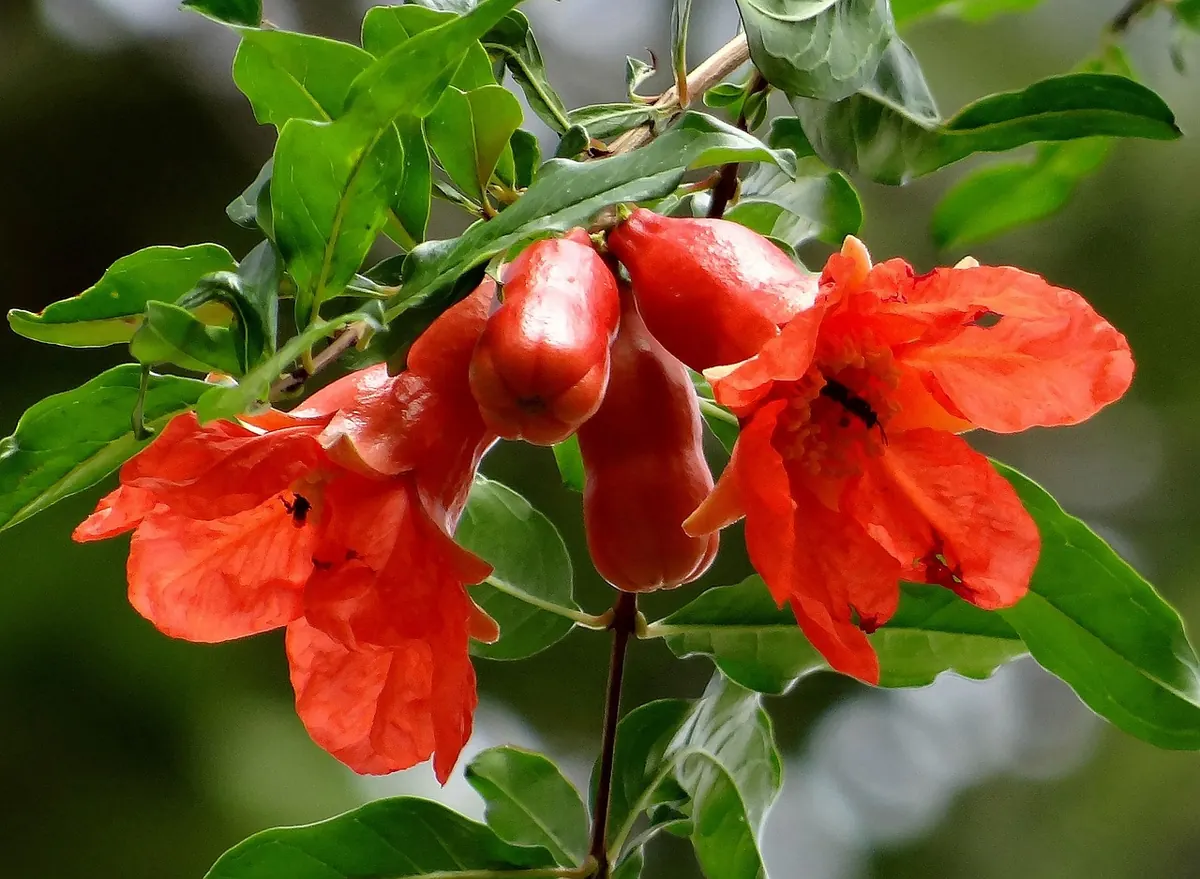
Pomegranate flowers are hopeful things. You check the tree each morning, count the orange-red buds, and then one day the ground is littered with them and not a single fruit is swelling. A few dropped flowers are normal. A tree that keeps flowering and never sets fruit is telling you something. The cause is usually one of four things: pollination, weather, nutrition, or watering. Often it is a combination. The useful skill is learning to tell which one your tree is dealing with before you change everything at once.
First, Separate Normal Drop From a Real Problem
Pomegranates produce far more flowers than they can carry as fruit. Many flowers are functionally male: they open, shed pollen, and drop. The flowers capable of setting fruit have a swollen, urn-shaped base. If those vase-shaped flowers open, look fresh, then yellow and fall without swelling, that is poor fruit set rather than ordinary thinning. If buds drop before they even open, look harder at water, weather, and root stress.
Go out in the morning and look closely. A healthy flower that is ready to set fruit has a firm, rounded base and a receptive stigma. A flower that never had a chance often looks narrow at the base, like a small bell rather than a tiny vase. You do not need to dissect every bloom. Just learn the difference between a natural drop and a tree that is aborting its best flowers.
Pollination: Why a Flower Can Open and Still Fail
Pomegranates are generally self-fertile, but self-fertile does not mean automatic. Pollen still has to move from the anthers to the stigma while the stigma is receptive. Bees and other insects do much of that work. Still air, rain, very high heat, and cool cloudy weather can all interfere. So can spraying insecticides while the tree is in bloom, because it removes the very insects you need.
If you grow one tree in a container on a balcony, hand pollination can make a visible difference. Use a small soft brush or a clean fingertip. Work gently and do it in the morning when flowers are fresh.
- Find a freshly opened flower with visible yellow pollen on its anthers.
- Pick up a little pollen on the brush or fingertip.
- Dab it lightly onto the sticky stigma of an urn-shaped flower.
- Repeat every few days while new flowers open, rather than only once.
If you have space for a second cultivar that flowers at the same time, it can improve pollen supply, though it is not always necessary. What matters most is giving the flowers a calm, insect-friendly window in which pollination can happen.
Weather Stress: Heat, Rain, Wind and Cold
Weather is the factor you cannot control, but you can reduce the stress around it. Hot, dry wind can dry out a stigma before pollen lands. Rain washes pollen away and keeps pollinators sheltered. A cold snap or late frost can damage flowers outright. Strong wind can knock flowers from the branches before they have a chance to set.
In a heat wave, keep the soil evenly moist and put a layer of mulch over the root zone. Move container plants out of the hottest afternoon wind if you can. A temporary shade cloth during extreme heat may help, but do not create a dark, humid cave around the tree. During bloom, water at the base rather than overhead, and avoid working around wet flowers. In cool, wet spring weather, give the tree the sunniest, most sheltered spot you have and wait for pollinators to return.
Nutrition: Balance Matters More Than More Fertilizer
Excess nitrogen is a common culprit behind leafy trees with few fruit. High-nitrogen feeding pushes soft shoot growth and can encourage flower drop. A pomegranate that receives lawn fertilizer or a generous dose of poultry manure just before bloom may look lush while setting almost nothing. Underfed trees in poor, shallow soil can also abort flowers because they lack the reserves to carry fruit.
Aim for balanced feeding rather than a boost. Compost or well-rotted manure spread in late winter, plus a modest balanced fertilizer in spring, is usually safer than a heavy feed during flowering. Container trees need regular but moderate feeding because their root space is limited. If you are unsure about your soil, a soil test is more useful than guessing.
Read the leaves, not just the flowers
Pale leaves and weak growth suggest hunger. Dark, oversized leaves and long, soft shoots suggest too much nitrogen. Burnt leaf edges or poor growth in a container can point to salt buildup, poor drainage, or root congestion. None of these signs is a diagnosis by itself, but together they help you avoid throwing fertilizer at a problem that is really about water or roots.
Watering Mistakes That Cost You Fruit
Pomegranates tolerate drought, but flowering and fruit set are demanding. Dry soil at bloom can cause flowers to drop. Waterlogged soil suffocates roots, yellows leaves, and causes more drop. The most common mistake is erratic watering: dry for a week, then a flood. Another is shallow daily sprinkling that wets only the surface while the deeper roots stay dry.
Water deeply and less often. Let the top few centimetres of soil dry between waterings, but do not let the root ball go dusty dry during bloom. Mulch to hold moisture and keep the soil temperature steadier. In containers, check moisture more often, and make sure the drainage holes are clear. Water in the morning at the base of the plant, and keep flowers as dry as you reasonably can.
A simple watering rhythm
- Push a finger or a wooden stake into the soil before watering; if it is dry below the surface, water properly.
- Water slowly enough that it soaks in rather than running off.
- Mulch with straw, bark, or compost, keeping it a little away from the trunk.
- In containers, water until a little drains out, then wait until the top layer begins to dry.
- After heavy rain, check that water is not sitting around the roots.
Pruning, Age and Small Details That Add Up
Young trees sometimes drop their first flowers while they are still establishing. That is frustrating, but it is not a crisis. Prune dead wood and crowded branches in late winter so light and air can reach the flowering wood. Avoid heavy pruning during bloom. Check for pests if you see distorted buds, sticky leaves, or ants running up and down the stems; deal with them before the flowering period when possible.
Also look at the ground around the tree. Competition from grass, root crowding in a pot, and reflected heat from a wall can all add stress. A pomegranate in a hot, sunny spot with good drainage is usually happier than one in rich, damp shade. Small adjustments to the site often do more than any spray or tonic.
A Practical Plan for Better Fruit Set
Start by watching one tree closely for a full flowering season. Notice which flowers drop, when they drop, and what the weather and soil have been doing. Hand pollinate a few fresh flowers in the morning. Keep water steady rather than dramatic. Feed lightly and avoid pushing nitrogen during bloom. Protect pollinators by holding off insecticide sprays while flowers are open. Then give the tree a little time; pomegranates often settle into heavier cropping as they mature.
Photo: sarangib / Pixabay