Pomegranate Varieties for Cooler Climates: A Comparison Chart
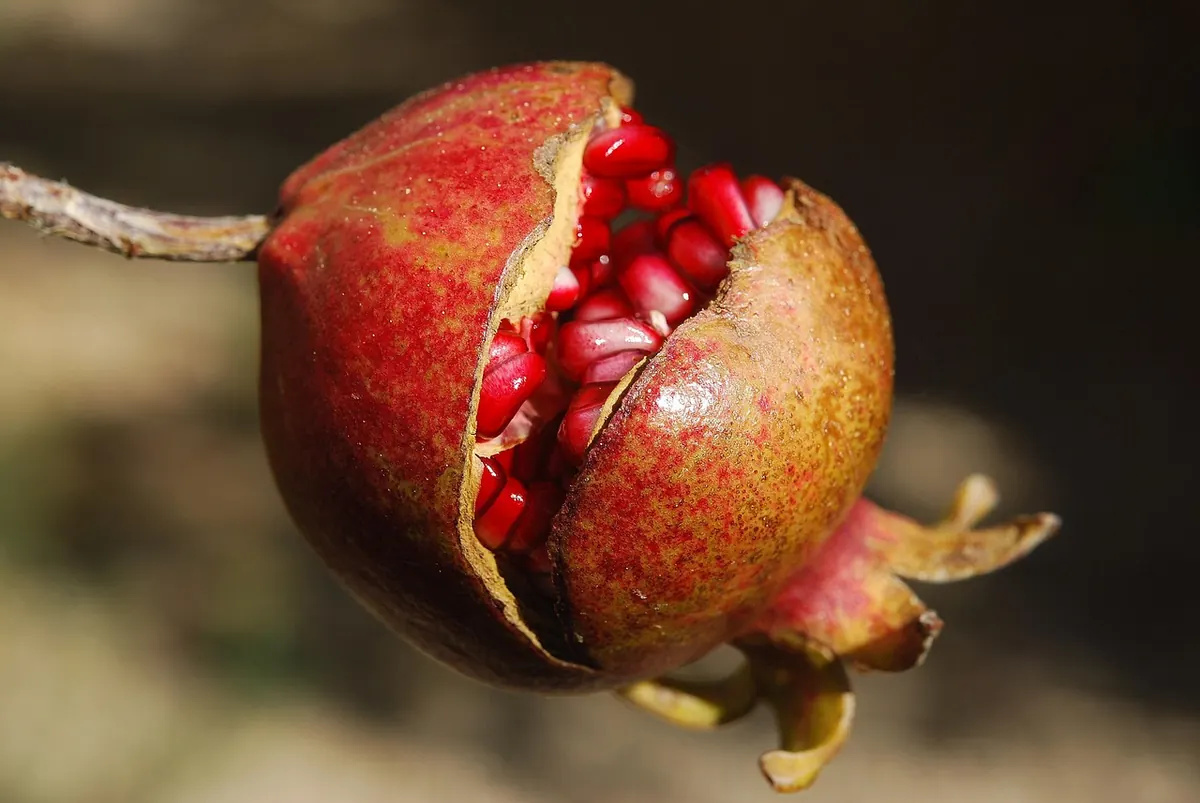
Walk into most nurseries and the pomegranate bench tells a single story: big fruit, deep colour, and a quiet assumption that you garden somewhere mild. Growers in cooler regions know better. Between a short season and a sharp winter, the list of varieties that will actually crop narrows fast.
That list is not empty, though. Gardeners in Central Asia, the Caucasus and Eastern Europe have been selecting pomegranates for cold for a very long time, and several of those varieties are now easy to buy in the West. What follows compares the ones worth your garden space — ripening time, fruit size, flavour, winter hardiness — and explains what those hardiness numbers mean when February turns serious.
Hardiness Ratings Are a Starting Point, Not a Promise
Most cold-tolerant pomegranates are quoted as surviving somewhere between -12 °C and -17 °C (about 10 °F to 1 °F). Those figures assume a mature plant, well-ripened wood, sharp drainage and a sheltered site. Change any one of those and the real limit drops considerably. A young plant in its first winter can be damaged at temperatures a five-year-old specimen shrugs off.
Duration matters as much as the lowest number on the thermometer. A single night at -16 °C is a different event from ten days that never climb above -10 °C. Deep, prolonged cold seeps into stems and trunks in a way that a brief snap does not, and it is usually the second or third hard winter in a row that kills an already weakened plant.
Then there is the season. Pomegranates generally want something in the region of 150 to 180 frost-free days to ripen fruit, and a cool summer slows sugar development even when the plant survives happily. In a marginal climate, an early variety is worth more than a marginally hardier late one. Autumn rain is the other quiet killer: thin-skinned types split in a wet September, long before frost is due, so choose thick-rinded varieties if your autumns are damp.
Six Varieties Worth Comparing
Salavatski
Of Central Asian origin and widely grown in Eastern Europe, this is the benchmark for cold-hardy pomegranates. Often listed as hardy to roughly -15 °C, with growers reporting survival below that in sheltered spots. The fruit is genuinely large — 400 to 600 g, occasionally more — with a thick, deep red rind that stores and ships well. Flavour is full and sweet-tart, seeds medium-hard. It ripens mid to late season, so in a cool garden expect September into October and give it your warmest wall.
Russian Red (often sold as Kazake)
Reliable, heavy-cropping and about as hardy as Salavatski. Fruit is medium to large and slightly darker-skinned, with tart, very juicy flesh — this is a juice and syrup variety more than a dessert one. It ripens mid-season. Because it sets so generously, a light thinning in early summer helps the remaining fruit size up before the season closes.
Nikitski Ranni (Nikita's Early)
Bred at the Nikita Botanical Garden in Crimea for exactly this problem: a short season. It is usually the first to colour in a cool garden, ripening from late August into September. Fruit is medium-large with pinkish-red skin and a balanced sweet-tart flavour. Hardiness sits a notch below Salavatski, but the early finish is what earns it a place. If you have 150 to 160 frost-free days, start here.
Al-Sirin-Nar
The best dessert fruit in this group: large, very sweet, with soft seeds that make it pleasant to eat fresh rather than juice. It comes from Central Asia and ripens late — October in a cool garden — so it needs a south-facing wall, a movable container or a genuinely sheltered spot. Hardiness is usually given as around -12 °C to -15 °C, less forgiving than Salavatski. Where it ripens, nothing else here beats it for flavour.
Sumbar
Vigorous and early to mid-season, with medium, round fruit and a pleasant sweet-tart taste. The rind is on the thin side, so watch for splitting if your autumn is wet, and pick promptly once colour is full. Good hardiness reported, and a sensible choice where summers are modest but frost arrives early.
Surh-Anor
Grown for juice rather than fresh eating: intensely coloured, sharply tart, medium-sized fruit with good keeping quality. It is hardy and productive, ripening mid to late season. Keep it if you cook — the acidity is an asset for syrups, sauces and reductions, and the fruit holds well into winter storage.
Others turn up from specialist nurseries from time to time: Bala Miursal and Vkusnyi are both sweet, mid-season and moderately hardy. Supermarket varieties such as Wonderful will fruit only in the mildest gardens; treat them as a gamble, not a plan.
At a Glance: The Comparison List
- Salavatski — mid to late season; large, 400–600 g; sweet-tart; hardiest of the group, roughly -15 °C.
- Russian Red — mid season; medium-large; tart and juicy, best for juice; roughly -15 °C.
- Nikitski Ranni — earliest, late August to September; medium-large; balanced sweet-tart; roughly -12 to -14 °C.
- Al-Sirin-Nar — late, often October; large; sweet with soft seeds; roughly -12 to -15 °C, needs a warm wall.
- Sumbar — early to mid season; medium; sweet-tart; thin rind, splits in wet autumns; good hardiness.
- Surh-Anor — mid to late season; medium; very tart, for juice and cooking; good hardiness.
- Bala Miursal, Vkusnyi — mid season; medium-large; sweet; moderate hardiness, worth trying.
Matching a Variety to Your Garden
Two gardens in the same town can differ by three weeks of season and several degrees of winter cold. Before you choose, find the warmest, most sheltered corner you have: a south- or west-facing wall, a stone patio that holds heat, a spot out of the prevailing winter wind. That microclimate often buys enough extra ripening time to make a mid-season variety behave like an early one.
Drainage comes next. Pomegranates tolerate drought far better than wet feet, and winter waterlogging rots roots at temperatures the top growth would survive. A raised bed, a slope, or a generous mound of grit and compost in the planting hole solves most problems.
Growing in a container is a legitimate strategy in cold climates: the plant can be moved into an unheated shed or garage for the worst weeks. Insulate the pot, and remember that roots in a pot get far colder than roots in the ground. Wherever you plant, put it in the ground in spring rather than autumn, mulch after the soil warms, and let the plant grow as a multi-stemmed shrub — if winter kills stems to the base, new ones come back and can still fruit the following year.
To help wood ripen before winter, stop nitrogen feed by mid-summer, water deeply but let the soil begin to dry in early autumn, and prune in late winter once you can see what has died.
Before You Order: A Practical Checklist
- Count your frost-free days from the average last spring frost to the average first autumn frost, then add two weeks for a sheltered wall.
- Look up the lowest winter temperature your area has recorded in the last twenty years, and note how long those cold spells lasted.
- Test drainage by digging a hole, filling it with water and seeing whether it empties within a day.
- Buy own-root plants rather than grafted ones where you can — they regrow from the base after a hard winter instead of losing the variety entirely.
- Plant in spring, water through the first two summers, and wrap or mulch young trunks for their first two or three winters.
- Write down flowering and ripening dates each year. Two seasons of notes tell you more about your site than any catalogue description.
None of these varieties will turn a cold garden into a Mediterranean one. But a well-sited Salavatski or an early Nikitski Ranni can give you a real crop of ripe fruit most years, and that is a far better outcome than a beautiful plant that never quite finishes the job.
Photo: LeeTravathan / Pixabay